

Black Refractions Digital Experience
Ready to experience this dynamic exhibition from the comfort of your couch? Scroll down for a highlights video, a digital presentation from The Studio Museum curator, audio commentaries from Black community members on selected artworks, a digital toolkit to guide K–12 or University classroom learning, and a hands-on art-making activity.
Settle in, and stay as long as you like!

Black Refractions: Artists in Conversation
On March 31, 2021, The American Federation of Arts (AFA), in partnership with the Utah Museum of Fine Arts (UMFA), hosted a panel discussion with three artists Maren Hassinger, Adia Millett, and Shinique Smith.
Exhibition Highlights Video
Spend a few minutes checking out the Black Refractions galleries with UMFA senior curator Whitney Tassie.


Curator Talk
Explore key works from the exhibition with Connie H. Choi, associate curator at The Studio Museum in Harlem, in this recording of her February 4 presentation to UMFA Art Lovers.
Classroom Toolkit
Download the Black Refractions toolkit, a resource for exploring and discussing the exhibition in your K–12 or University classes.


From Harlem to Utah: Stories of Blackness
Hear from Black creatives, leaders, and professionals in our local community as they share their personal perspectives on works of art in the exhibition.
Third Saturday Online: Collage and Drawing
Many of the artworks in Black Refractions: Highlights from The Studio Museum in Harlem tell a personal story of artists of African descent. One way artwork can tell stories is through images and patterns (a pattern is a repeated design). Although there are many ways to understand these artworks, let’s get inspiration from three artworks in the exhibition that use pictures and patterns in unexpected ways. Then, at home, create your own artwork using magazines, newspapers, cereal boxes, and other art supplies to create a patterned collage and drawing.

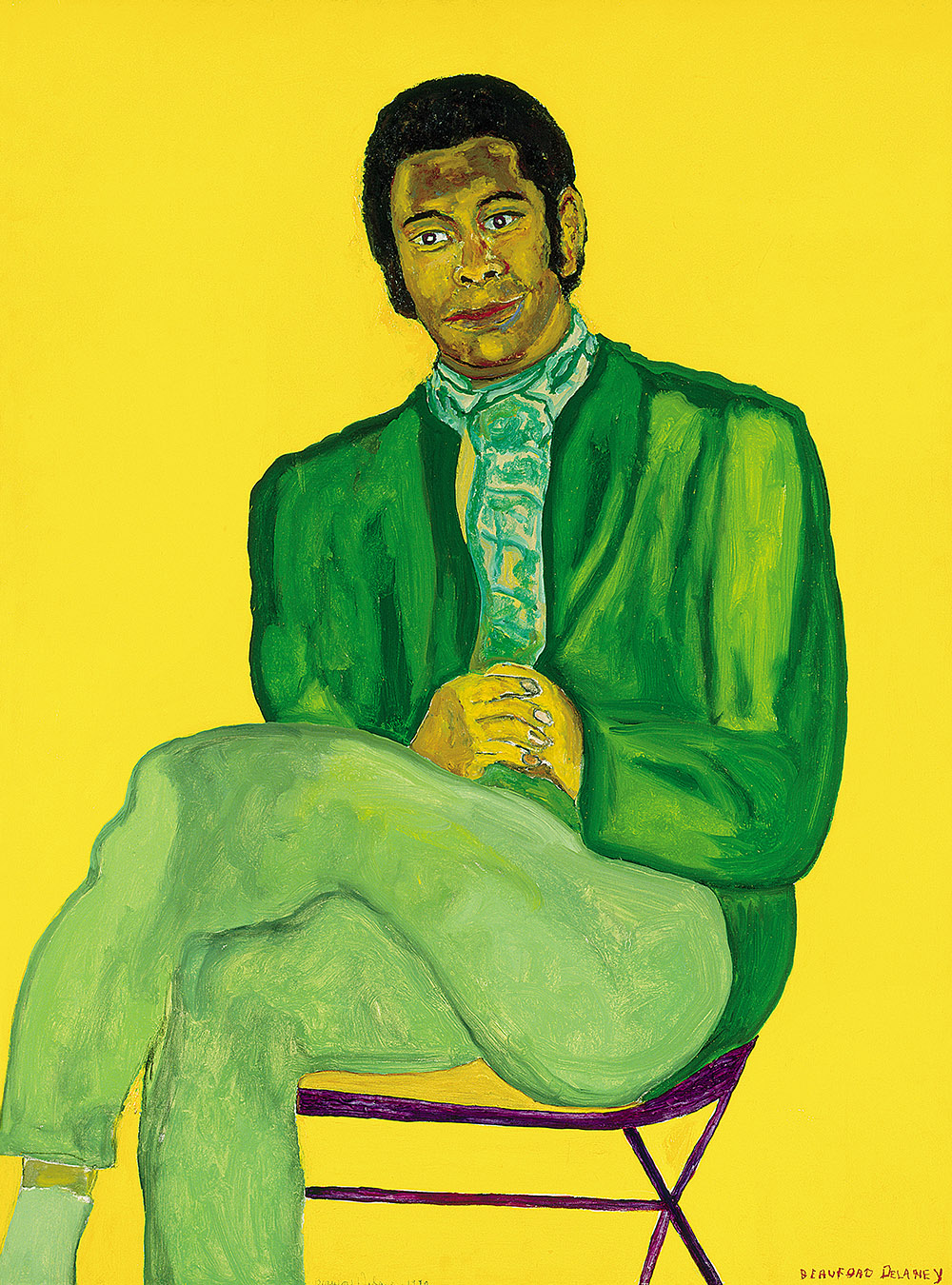
Third Saturday Online: Portraits of What I See and Feel about You
In this at-home activity consider the ways in which both Barkley L. Hendricks and Beauford Delaney approached and painted their subjects out of love, and with love, and then use this as inspiration for our own art-making.